Skip to content
GMC PharmaKimya · Gıda · İhracat

Applications

In which feed and food matrices are antioxidants used?

Oxidation risk rises with the fat content and the degree of unsaturation of the matrix. Below are the main application areas and the points to watch in each.

Sectors

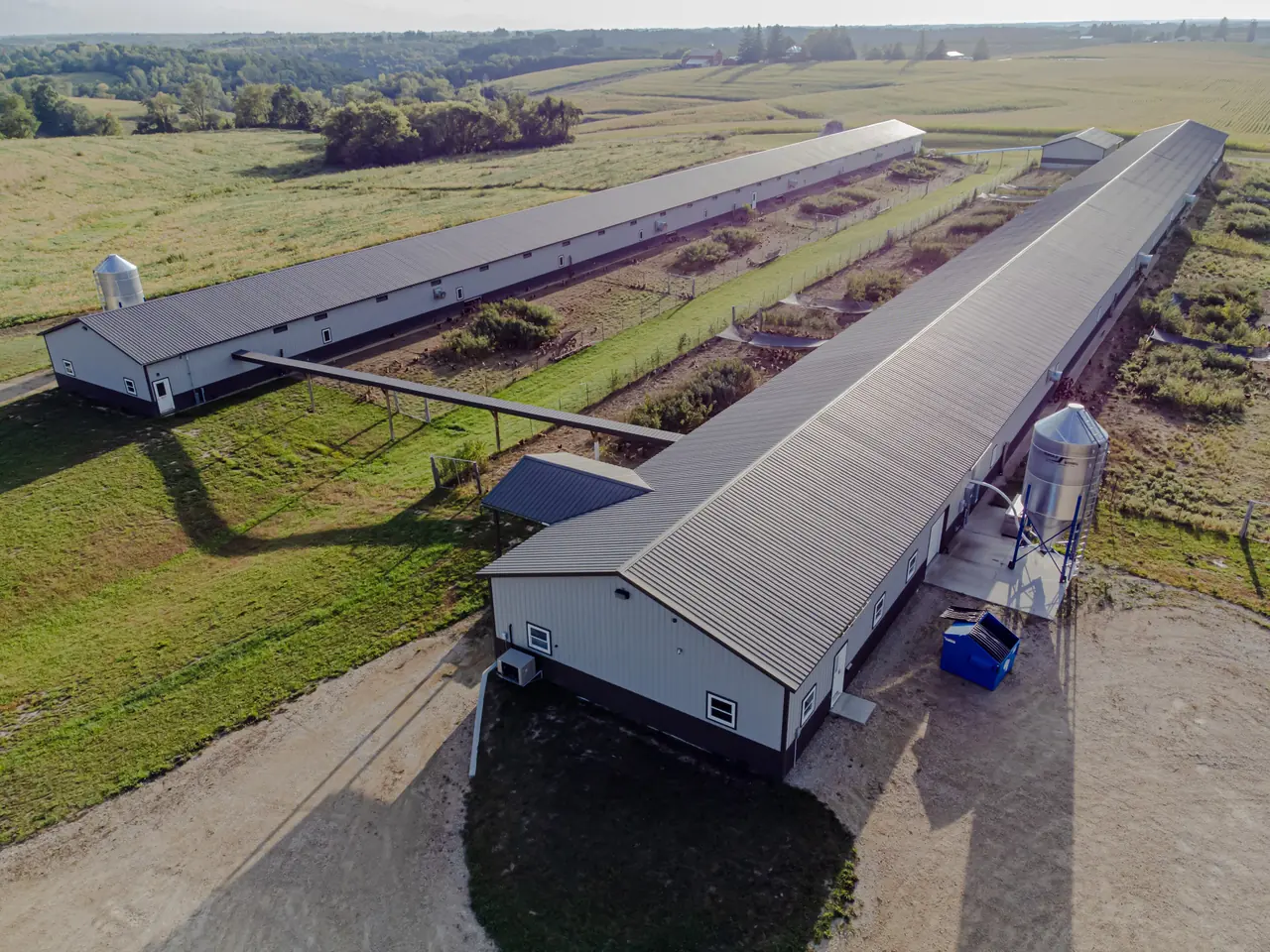
Modern broiler houses connected to a feed silo

Poultry feeds

Fats added to broiler and layer rations to raise energy density are the component most exposed to oxidation. Because pelleting temperature accelerates the reaction, adding the antioxidant before thermal treatment is critical.

  • Fat-supplemented energy-dense rations
  • Pelleting and conditioning process
  • Protection of vitamins A and E and carotenoids
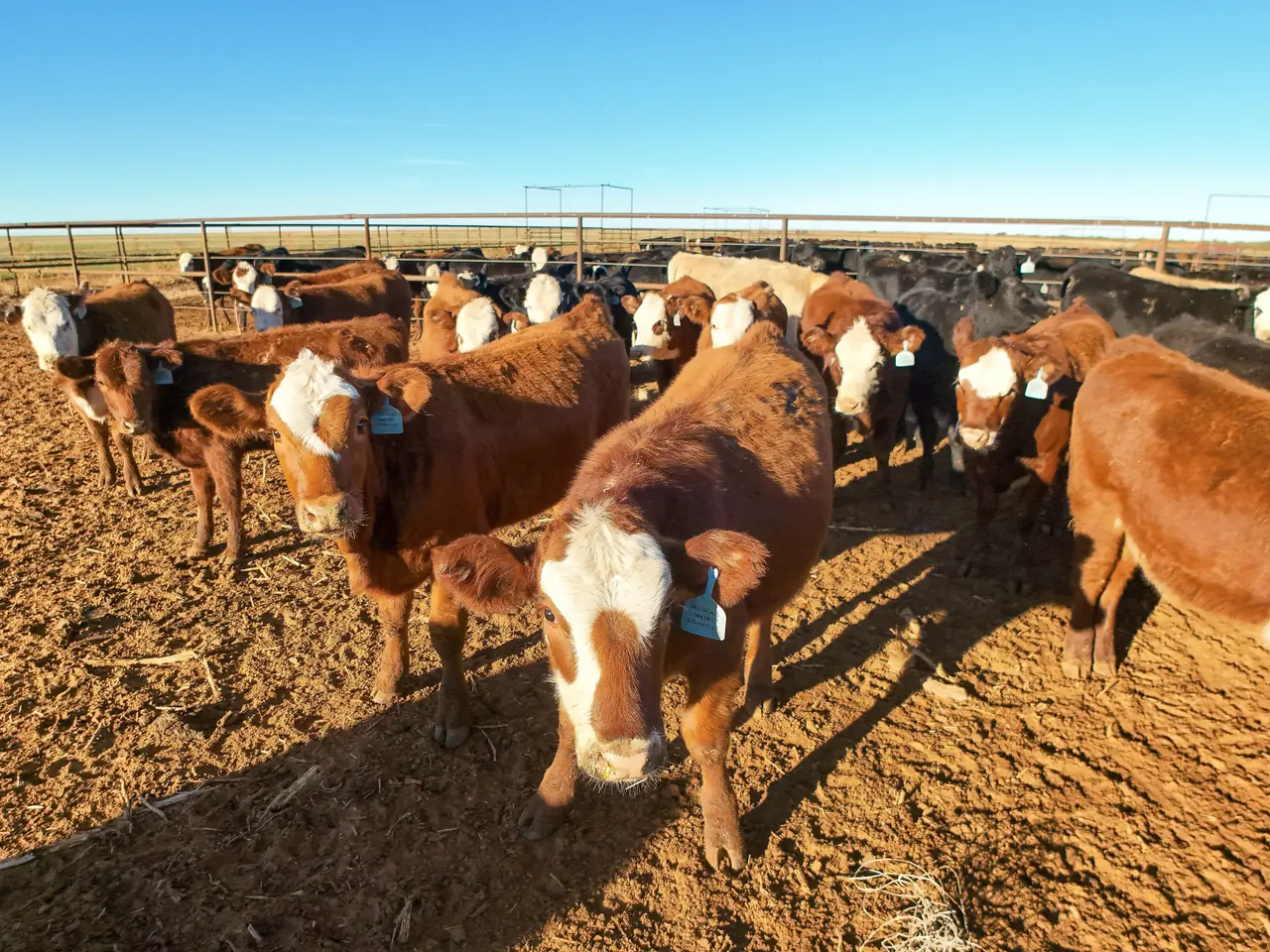
Beef cattle feeding at a trough in a feedlot

Cattle and small ruminant feeds

Bypass fats, tallow and fat powders used in dairy and beef feeds go into long-term storage. Temperature and humidity fluctuation in the warehouse markedly increases the rate of oxidation.

  • Bypass fat blends
  • Extended storage periods
  • Taste and odour stability affecting feed intake
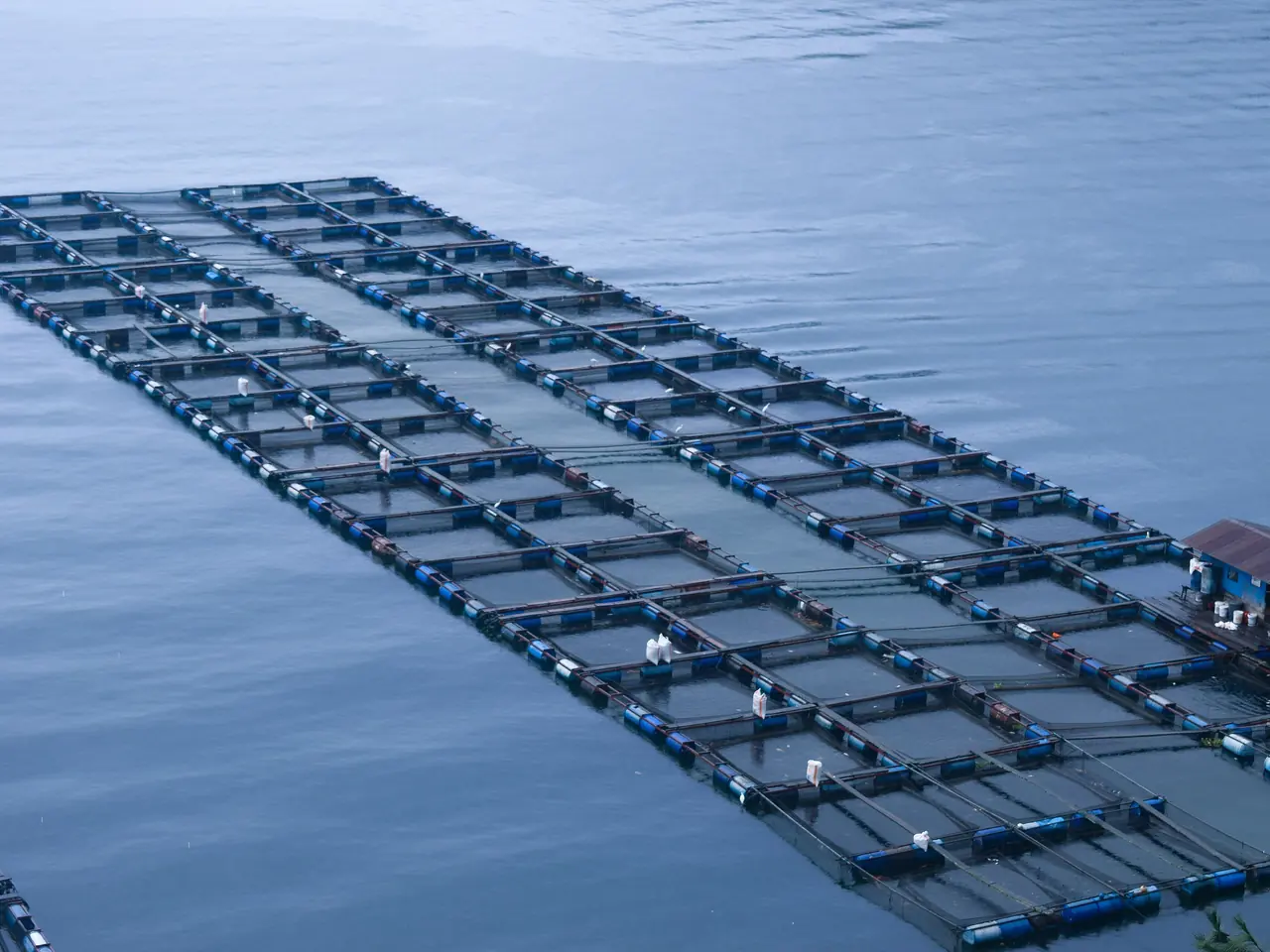
Rows of aquaculture fish cages on a lake

Aquaculture feeds

Fishmeal and fish oil contain high levels of polyunsaturated fatty acids and are therefore the feed materials most sensitive to oxidation. Extrusion temperature and the fat coating process add further risk.

  • Fishmeal and fish oil stabilisation
  • Extruded feeds and fat coating
  • Protection of omega-3 fatty acids
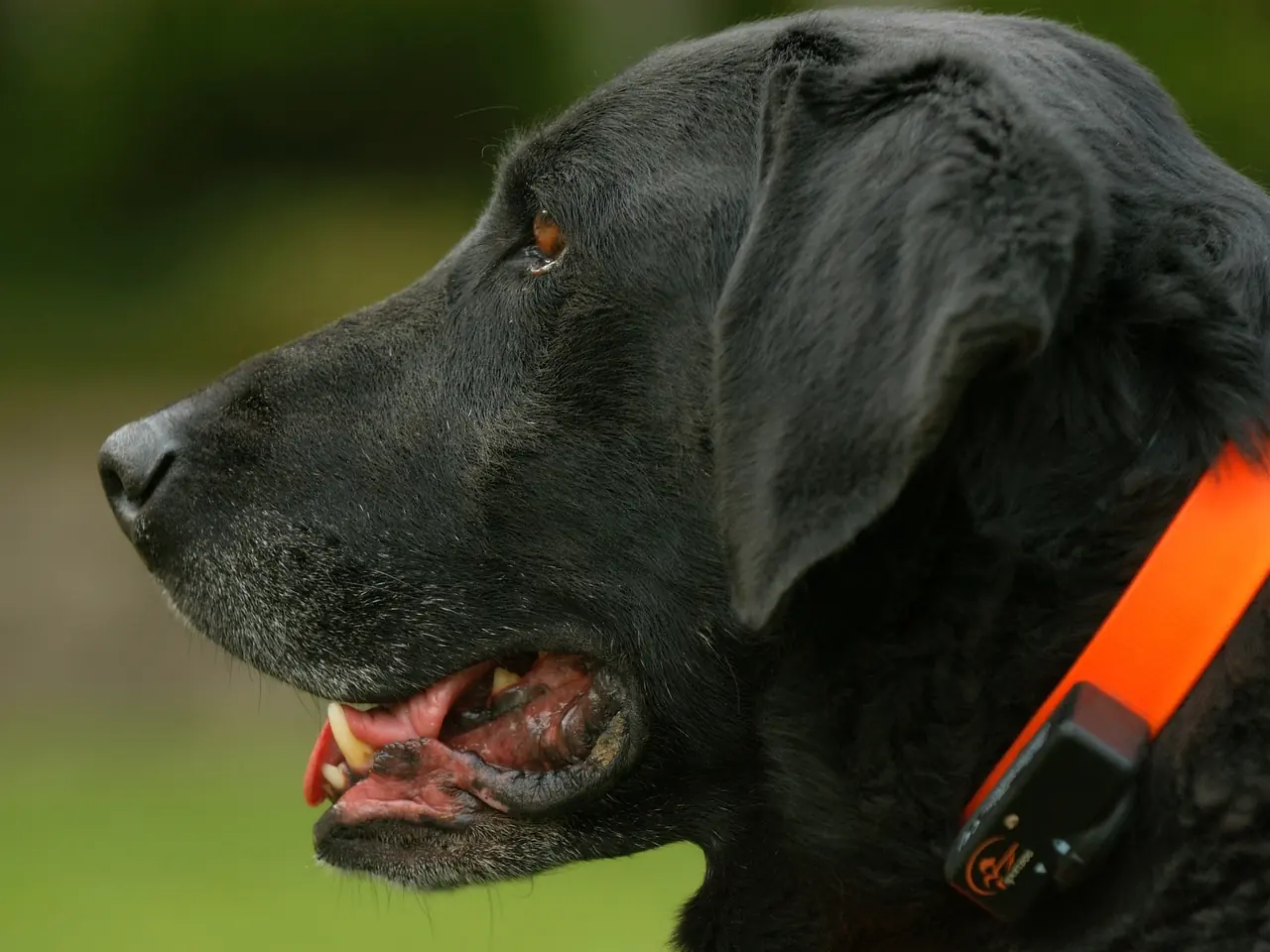
Portrait of a black Labrador retriever

Pet food

In dry food, aroma and odour directly influence consumption behaviour. In fat-coated products, surface oxidation causes the most visible quality loss over shelf life.

  • Fat-coated dry food
  • Long shelf-life expectations
  • Preservation of sensory quality
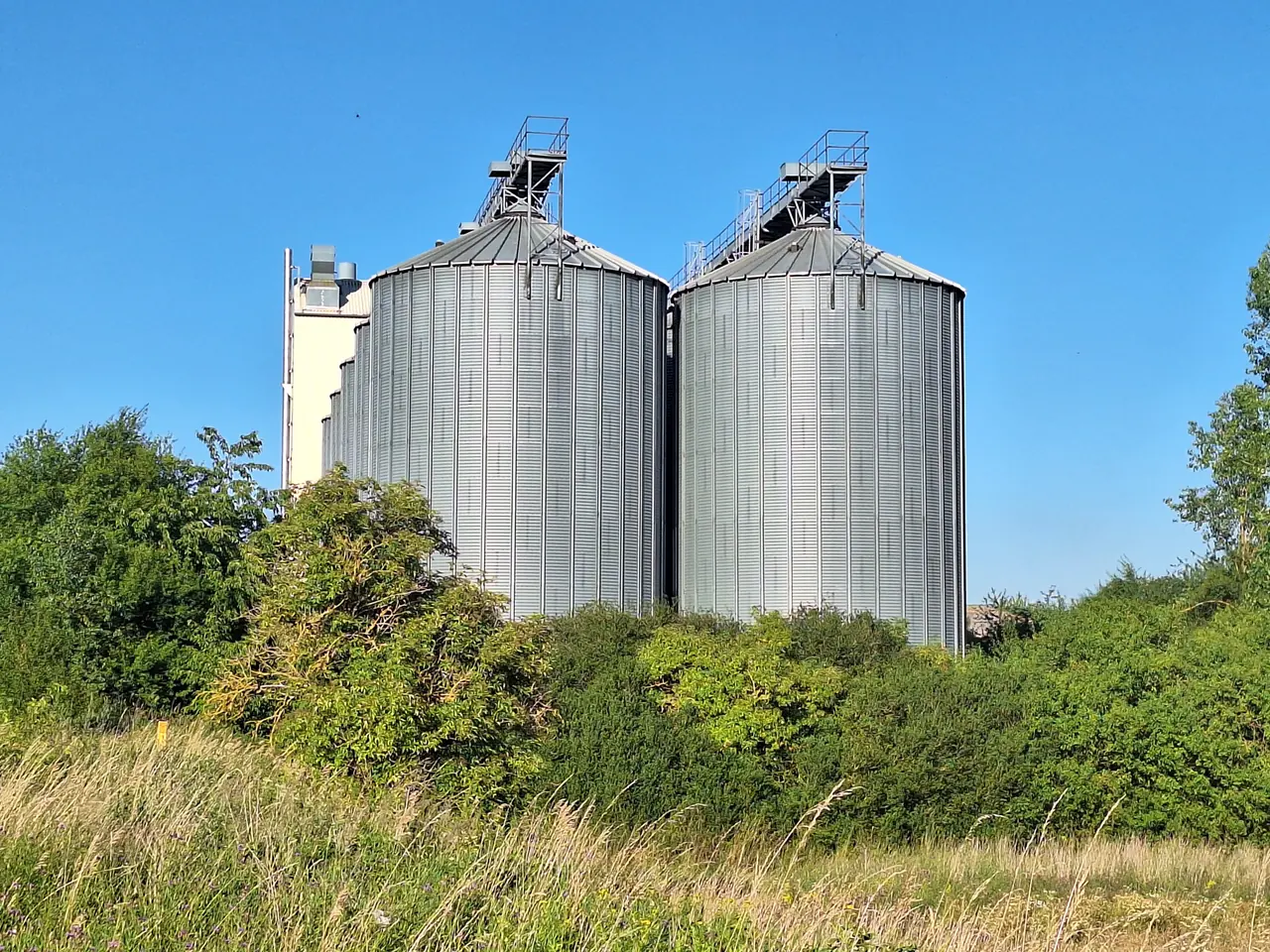
Grain and feed raw material storage silos

Premixes and feed fats

In vitamin-mineral premixes, metal ions act as catalysts for oxidation. In fat storage tanks, the product stands for long periods across a large surface exposed to air.

  • Vitamin-mineral premixes
  • Fat storage tanks
  • Synergistic use with citric acid
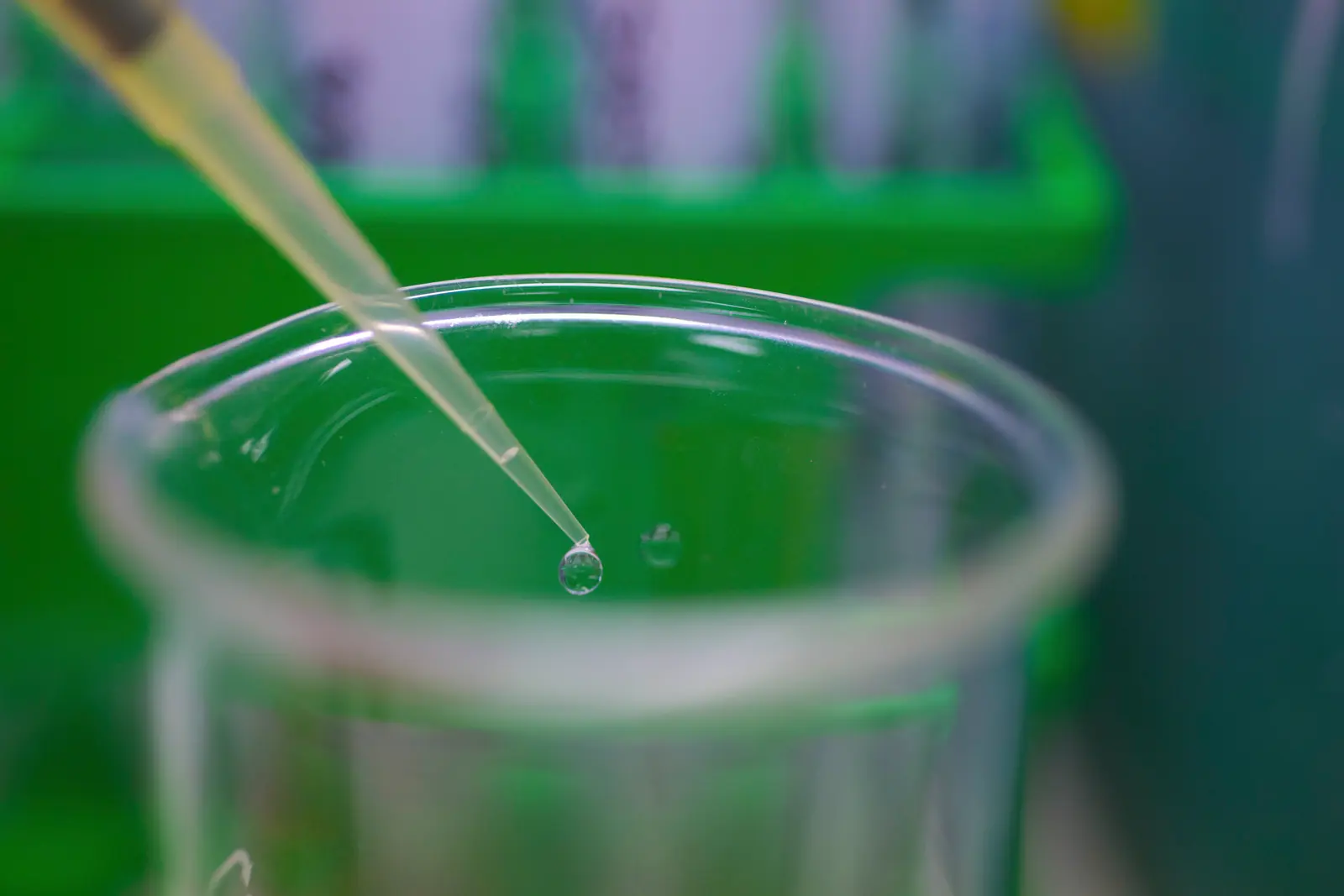
A sample being dropped from a pipette tip into a beaker in a laboratory

Food industry

Food grade antioxidants are used in vegetable and animal fats, frying oils and processed products containing fat. Conditions of use and maximum levels are subject to the applicable food legislation.

  • Vegetable and animal fats
  • Processed products containing fat
  • E320 / E321 regulatory compliance

Application notes

Four conditions for getting results from an antioxidant

01

Early addition

An antioxidant added after the oxidation chain has started will not deliver the expected effect. Intervention should happen the moment the fat or fatty raw material enters the plant.

02

Homogeneous distribution

Dosing dissolved in fat gives markedly better distribution than adding the product as a powder to compound feed.

03

Dosage matched to the matrix

Dosage is set by fat content, degree of unsaturation, process temperature and target shelf life. A single standard dose is not correct for every matrix.

04

Combined with a chelator

Metal ions catalyse oxidation. Using a chelator such as citric acid alongside the phenolic antioxidant increases its effectiveness.

Let us determine the right product for your matrix together

Share your feed type, fat content and process; we will propose a suitable grade and dosage range.